Breast Cancer Rehabilitation
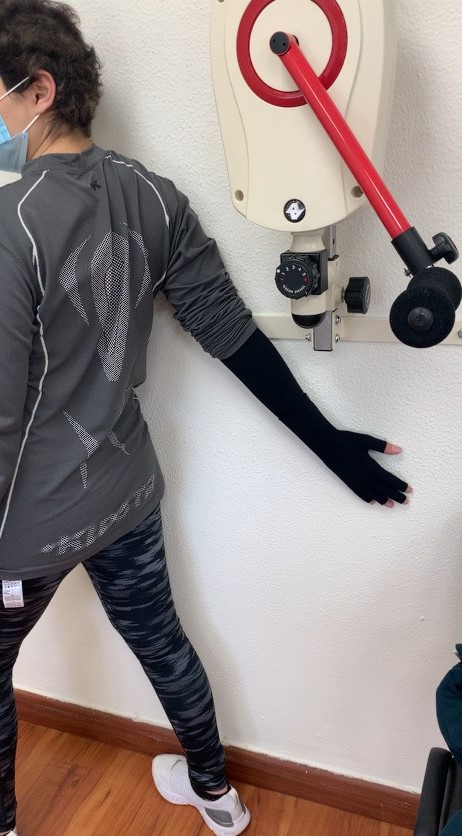
Breast cancer rehabilittaion is essential throughout all phases of cancer treatment—from prehabilitation (before treatment begins) to rehabilitation during treatment, and even palliative and end-of-life care. Breast cancer patients and survivors may present soem side effects of the medical treatment such arm, hand and chest swelling, postural disorders, limited movement in the shoulder, stiffness in the neck, scar tissues and fatigue. Physical therapy interventions help manage those symptoms, prevent complications, and improve the overall quality of life for individuals at every stage.
Physical therapy interventions are present at all stages of the cancer care journey.
1. Prehabilitation (Before Treatment)
Prehabilitation focuses on preparing patients for treatment by improving their physical condition and addressing potential risks. The goal is to optimize strength, flexibility, and mobility, which can improve treatment outcomes and reduce the risk of functional decline. Key components include:
-
Exercise programs: Targeted exercises to increase strength, flexibility, and endurance.
-
Education: Patients are educated on the physical effects of surgery, chemotherapy, and radiation, and how to manage them effectively.
-
Lymphedema education: Techniques to prevent or manage lymphedema, a common side effect, are introduced before surgery or radiation.
2. Rehabilitation During Treatment
During cancer treatment (e.g., surgery, chemotherapy, radiation), physical therapy helps manage side effects and maintain physical function. Physical therapists tailor interventions to address the specific needs of patients during this phase:
-
Post-surgical rehabilitation: Following breast surgery, including mastectomy or breast-conserving surgery and reconstruction, physical therapy aims to restore mobility and prevent complications such as shoulder stiffness, limited range of motion, muscle weakness, tissue adhesions, scars, swelling, seroma and axillary web syndrome.
-
Lymphedema management: For patients who have undergone axillary lymph node dissection or radiation, physical therapists use manual lymph drainage, compression therapy, and exercise to reduce swelling and improve lymphatic drainage.
-
Pain management: Techniques such as myofascial release, therapeutic exercise, and modalities like heat, cold, or electrical stimulation help reduce pain.
-
Neuropathy management: For patients experiencing chemotherapy-induced peripheral neuropathy, physical therapy interventions focus on improving balance, coordination, and sensory function.
-
Fatigue management: Tailored exercise programs are designed to combat cancer-related fatigue, one of the most common and disabling symptoms during treatment especially for patients who undergone chemotherapy treatments.
3. Rehabilitation Post-Treatment (Recovery)
After the completion of active cancer treatment, physical therapy helps patients recover and regain function. This phase is focused on addressing the long term side effects of treatment, improving mobility, and preventing complications:
-
Strength and endurance training: Programs to rebuild strength and cardiovascular endurance lost during treatment.
-
Range of motion and flexibility exercises: To improve posture and restore function in the shoulder, chest, and upper extremities, which can be impacted by surgery or radiation.
-
Bone health: For those who have experienced chemotherapy-induced osteoporosis or joint issues due to hormonal therapy, exercise programs are designed to enhance bone density and reduce fracture risk.
-
Prospective surveillance for lymphedema: control anf manage any potential of lymphedema symptoms through continous follow ups and prevention strategies.
4. Palliative Care and End-of-Life Phase
In the palliative and end-of-life phase, the role of physical therapy shifts to enhancing comfort, improving quality of life, and helping with pain and symptom management, mobility and fucntion support and breathing exercises.
Through a comprehensive treatment we strive to help our patients reach a better quality of life, have a safe return to exercise, physical activities, social life and work.
In addition to managing physical impairments, we provide our patients and survivors with a complete care including: psychotherapy, physical exercise, yoga and meditation, nutrition and wellness.