Cancer Rehabilitation
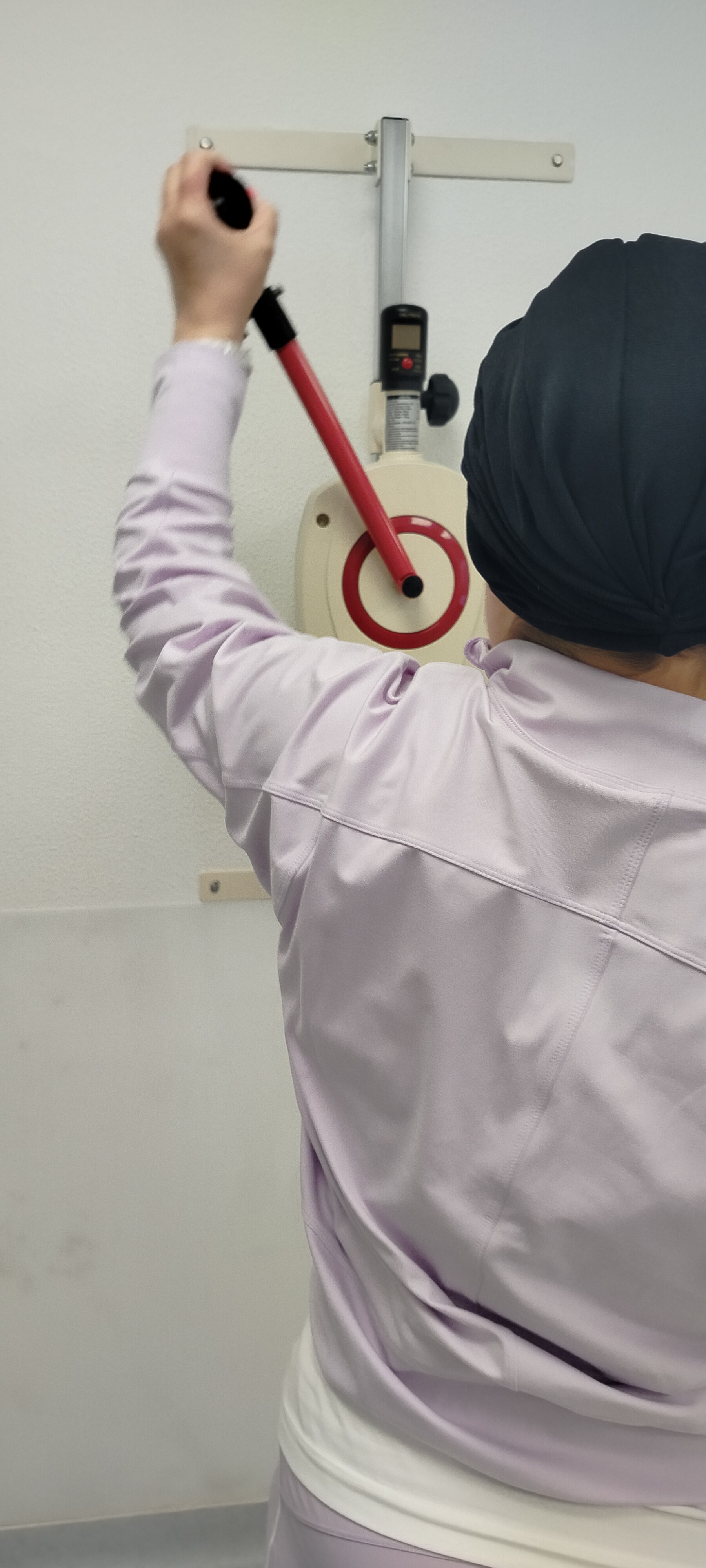
Cancer rehabilitation is a specialized area of physical therapy. As a supportive care, it aimes at addressing the physical, functional, and psychological challenges faced by people living with and beyond cancer treatment. Its primary goals are to optimize physical functioning, alleviate treatment-related side effects, and improve overall quality of life.
Cancer rehabilitation is an integral part of teh cancer treatment journey.
Therapists will help patients diagnosed with cancer to manage their musculoskeletal, neuromuscular, integumentary and cardiopulmonary rehabilitative needs.
Cancer rehabilitation’s goal is to manage acute side effects of treatments such as surgery, radiation therapy, chemotherapy, and immunotherapy as well as long-term secondary sequelae of treatments and palliative care.
Key benefits of cancer rehabilitation include:
- Managing Fatigue: Programs are designed to reduce cancer-related fatigue, a common and debilitating side effect, through tailored exercise programs of resistanceand aerobic training.
- Improving Mobility and Strength: Rehabilitation focuses on restoring muscle strength, joint flexibility, and overall mobility affected by treatment or inactivity.
- Pain Management: Non-pharmacological techniques such as manual therapy, therapeutic exercises, and physical therapy modalities help alleviate pain associated with surgery, radiation, or chemotherapy.
- Lymphedema Management: For patients experiencing lymphedema, specialized treatments such as manual lymph drainage, compression therapy, and exercises help reduce swelling and improve lymphatic flow.
- Neuropathy Relief: Programs address chemotherapy-induced peripheral neuropathy with interventions to improve sensation, balance, and coordination.
- Enhancing Cardiopulmonary Function: Rehabilitation incorporates aerobic and strength training to improve heart and lung health, which may be compromised due to cancer treatments.
Frequently Asked Questions
Who can benefit from cancer rehabilitation?
Every patient who was diagnosed with cancer.
When can I start rehabilitation during cancer care?
Rehabilitation can be helpful before, during, or after cancer treatment, depending on your health and medical plan. Your physical therapist will coordinate with your oncology medical team.
Is cancer rehabilitation only for people who have finished treatment?
No. Rehabilitation may address mobility, weakness, balance, pain, scars, muscle strength, lymphedema, daily functioning and many more at different stages of the cancer journey, including during the treatment, survivorship and palliative care phases.
I do not have a referral to attend cancer rehabilitation sessions. What should I do?
Ask your physician for a referral to a certified cancer rehabilitation specialist. You can also reach out directly to your certified therapist who will initiate communication with your medical doctors before starting your rehabilitation sessions.
Can exercise help with cancer-related fatigue?
Appropriately adapted physical activity can help many people manage fatigue, preserve strength, and improve physical function. The intensity and type of exercise depend on your treatment, symptoms, and overall health. Your cancer rehabilitation specialist will help you set your customized exercise plan.
I have bone metastases, can I still exercise?
Yes you can. Your specialized therapist will follow specific guidelines for your exercise plan.