Cupping
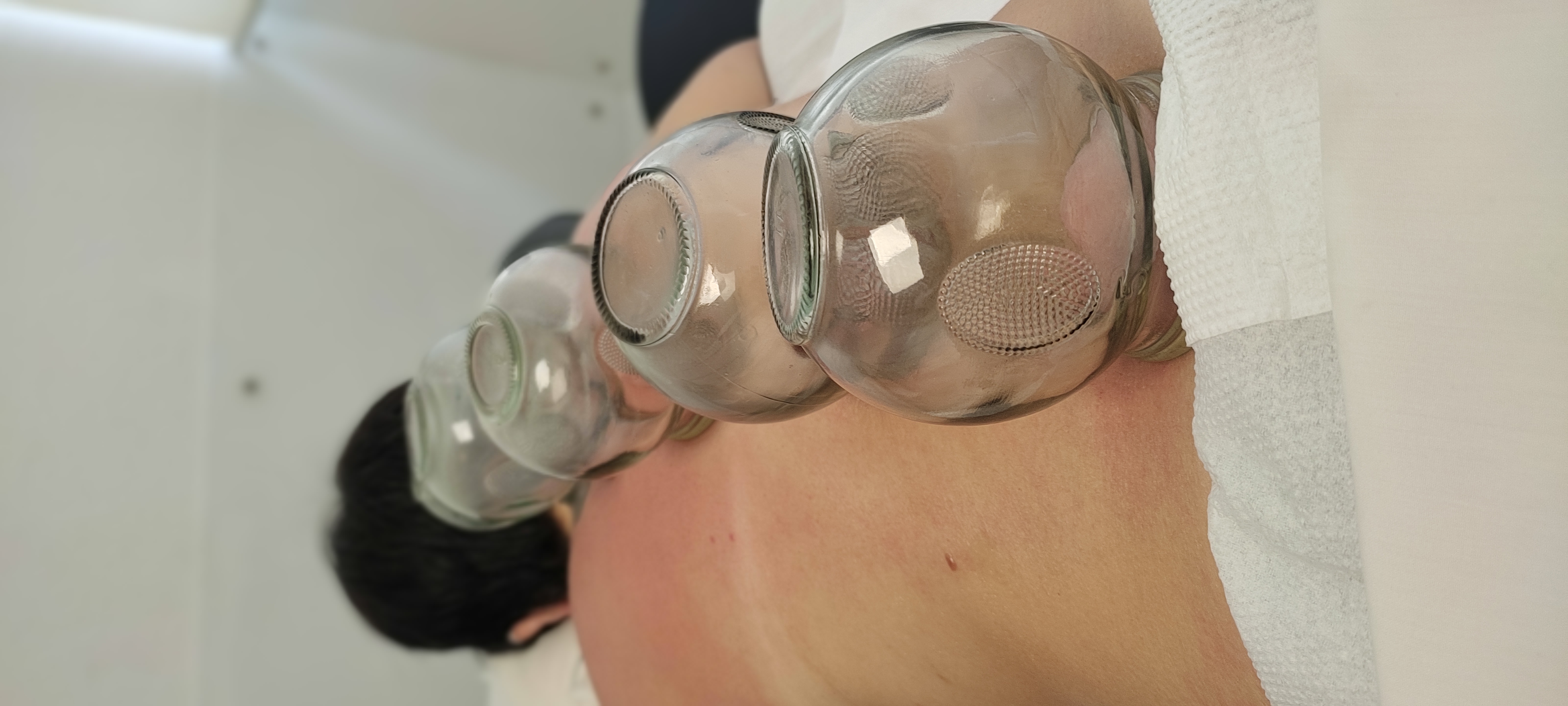
Cupping therapy is a form of alternative medicine in which cups are placed on the skin to create suction. The suction stimulates blood flow, promotes healing, and reduces tension in the muscles and connective tissues.
The cups can be made of glass, silicone, bamboo or plastic, and the suction is created either through heat (fire cupping) or by using a pump.
Cupping increases blood circulation to the treated area, reduces muscle tension and improves tissue relaxation.
Cupping can help reduce muscle tightness and relieve pain caused by conditions such as back pain, neck pain, or shoulder tension. It also improves long-term conditions like fibromyalgia or arthritis.
It has a relaxing effect by relieving muscle tension and promoting a sense of well-being.
It is also indicated in sports recovery as it increases blood flow to sore muscles, reduces inflammation, and improves flexibility.
Frequently Asked Questions
Is cupping therapy the same as Hijama?
Not exactly. Both techniques use suction cups placed on the skin, but they differ in how they are performed.
- Dry cupping uses suction without cutting or puncturing the skin. The cups may remain in one position or be moved gently across the skin to help manage muscle tension, discomfort, and soft-tissue mobility.
- Hijama, commonly referring to wet cupping, involves making small superficial skin incisions or punctures to allow blood to be drawn into the cups. Unlike dry cupping, it is a mildly invasive procedure.
Does cupping therapy leave marks on the skin?
Yes, cupping may leave temporary circular red or purple marks due to the suction applied to the skin.
These marks are not necessarily bruises caused by an injury and usually fade within a few days.
What types of cups are used during treatment?
Cupping therapy can be performed using different types of cups, including plastic and glass cups.
- Plastic cups commonly use a manual suction pump, allowing the therapist to control the level of negative pressure.
- Glass cups may use a suction mechanism or heat to create suction.
The choice of cup and suction intensity depends on the treatment objective, the body area, and the patient's tolerance.
Is cupping therapy suitable for everyone?
No. Cupping is not appropriate for every patient, and a clinical assessment is necessary before treatment.
It should be avoided over open wounds, skin infections, fragile or damaged skin, and areas with suspected blood clots. Additional precautions are required for patients with bleeding disorders, those taking anticoagulant medication, or those with significant skin sensitivity or easy bruising.
The therapist will determine whether cupping is appropriate and adjust the technique accordingly.