Dry Needling
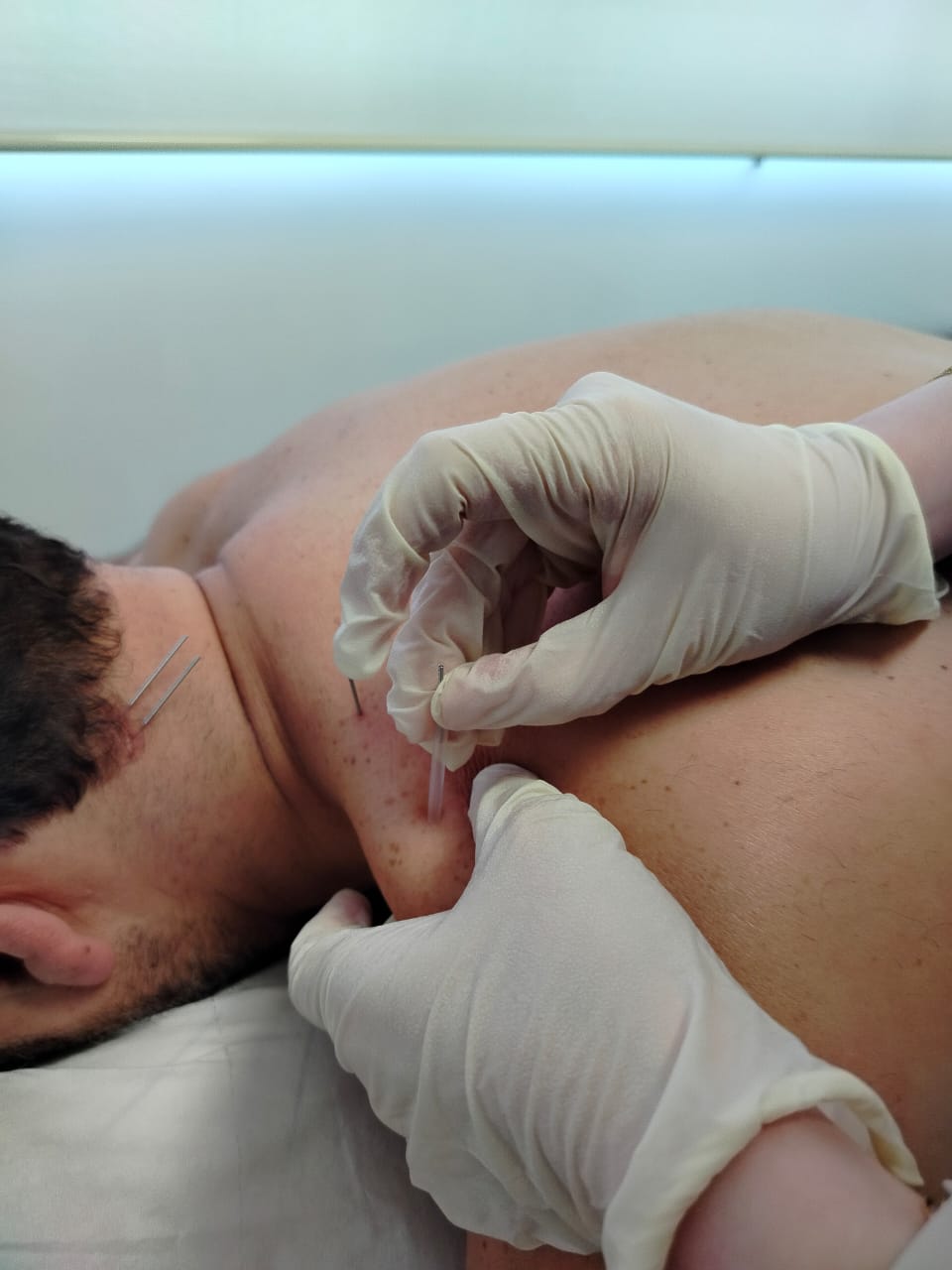
Dry Needling is an evidence and clinical- based approach.
It releases muscle tension or soreness by targeting trigger points using a fine needle. It is safe and painless.
It is very effective in relieving pain by decreasing muscle tension. It also increases blood flow in the targeted muscle.
Dry needling is a safe and effective treatment. It is often combined with other therapies, such as manual therapy, exercise, or education, to achieve optimal outcomes.
It releases muscle tension, improves blood flow and reduces inflammation in the targeted area and reduces pain.
Among its clinical indications:
1. Musculoskeletal pain such as fibromyalgia, neck pain and back pain.
2. Trigger point pain: tight muscle knots.
3. Sports injuries: tendinopathies, sprains
4. Joint pain and stiffness
5. Headaches and Migraines: it relieves tension in the neck, shoulders, and head muscles contributing to headaches or migraines.
Frequently Asked Questions
What is dry needling, and does it involve injecting medication?
Dry needling is a therapeutical modality that uses very thin, sterile needles inserted into specific muscles or trigger points to help reduce muscle tension, relieve pain, and improve movement.
Unlike injections, dry needling does not involve administering any medication or substance.
Is dry needling painful?
Dry needling is generally well tolerated, although sensations vary from person to person. You may feel a slight prick when the needle enters the skin, followed by a brief involuntary muscle twitch.
This twitch response is normal and may occur when a trigger point is stimulated. Some patients also experience mild muscle soreness after treatment.
Can I go to the gym after a dry needling session?
Light movement and gentle stretching are generally encouraged after dry needling. However, we recommend avoiding intense workouts and strenuous physical activity immediately after treatment. You may experience temporary muscle soreness for 24–48 hours following the session.
Are there any risks or precautions associated with dry needling?
Dry needling is generally considered safe when performed by a properly trained therapist using sterile, single-use needles.
Possible temporary side effects include soreness, minor bleeding, bruising, or dizziness. Before treatment, inform your therapist about any medical conditions, medications (especially blood thinners), pregnancy, or previous reactions to needles.
Your therapist will assess whether the technique is appropriate for you.
How often can dry needling be performed?
The frequency of dry needling depends on your condition, symptoms, and response to treatment. It is generally performed once a week, although some patients may benefit from more frequent or less frequent sessions.
How is the treatment scheduled?
Dry needling can be used as a standalone technique but in the clinic we combine it with other therapeutical modalities.